Specialty Program
Complex Medical Care
Driven By Purpose And Defined By Care – Legacy’s Program Is For You.
Why Legacy
Why Choose Legacy Post Acute Care?
Some patients need more than routine skilled nursing. Legacy’s Complex Medical Care program is built for exactly that — multiple co-morbidities, advanced wound care, long-term IV therapy, and post-surgical recovery that demands specialized expertise.

The Honest Picture
What “Complex Medical Care” Actually Means — and Why It Matters Where You Go
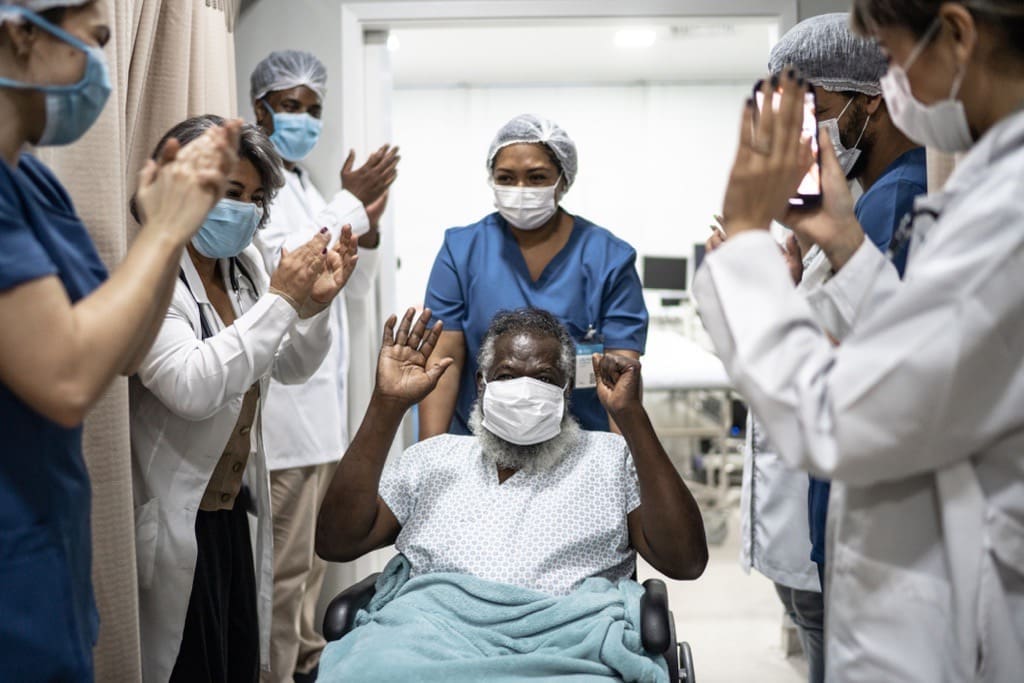
Rehabilitation is not simply about placing patients into a specific category. It is about understanding each patient’s individual needs, recognizing their potential, and providing the support and specialized care necessary to help achieve their highest level of function and independence. Some patients leave the hospital with a combination of challenges — recovering from sepsis or infection, wounds, new medications added to an already long list of old medications, nutritional deficits, deconditioned from weeks in a hospital bed.
“The wound care my mother received at Legacy was excellent. The nursing team worked closely with the wound care physician to make sure she healed well. Their attention to detail was evident.”
— Mark D., Son of Legacy Complex Medical Care Patient
Complex medical patients are among the highest-risk at discharge. They’re managing multiple variables that interact with each other — infection risk, nutritional deficits, medication complexity, deconditioning, and emotional distress. A facility without the infrastructure and staff training to manage these variables holistically won’t just slow your recovery. It can actively derail it.
1 in 5
Medicare patients readmitted to the hospital within 30 days — often due to inadequate post-acute management
24/7
Skilled nursing coverage at Legacy with physician access around the clock
On-Site
Dedicated wound care nurses AND wound physicians — the full team under one roof
Conditions We Manage
Who Our Complex Medical Care Program Supports
If your loved one’s discharge summary includes more than one clinical challenge, this program was designed for them.
Medically Complex Patients
Multiple comorbidities — diabetes, CHF, CKD, COPD, or immunocompromised conditions — requiring skilled clinical management beyond what home health can safely provide.
Chronic & Acute Wound Care
Pressure injuries, diabetic ulcers, surgical wounds, dehiscence, vascular ulcers — managed by wound-specialist nurses and wound care physicians.
IV Therapy & PICC Line Management
Wound VAC, enzymatic debridement, advanced dressings, and topical treatments matched to each wound type — not one-size-fits-all.
Physical Therapy
Multi-system surgical recovery — colorectal, vascular, abdominal, or reconstructive — requiring wound management, mobility, and nutrition simultaneously.
Occupational Therapy
Negative-pressure wound therapy applied and monitored by trained wound nurses — with physician oversight of healing and dressing changes.
Speech Therapy
Sepsis survivors often face deconditioning, cognitive changes, and ongoing wound or infection management — addressed as one integrated care plan.
Wound Care Spotlight
A Wound Care Program That Goes Beyond Dressing Changes
Many facilities change wound dressings. Legacy has a dedicated wound care team — specialized nurses and wound physicians — that actively manages healing.
Dedicated Wound Care Nurses
Trained in wound assessment, debridement, dressing selection, and infection monitoring — managed with continuity, not rotating staff.
Wound Care Physician Oversight
A wound physician is part of your team — reviewing progress, adjusting plans, and making clinical decisions that drive healing.
Advanced Wound Modalities
Long-term IV antibiotics, parenteral nutrition, and PICC line maintenance delivered safely by skilled nursing staff — often avoiding a prolonged hospital stay.
Nutritional Support for Healing
A Registered Dietitian ensures protein intake, micronutrient status, and hydration all support the healing process.
Offloading & Pressure Management
Repositioning protocols, pressure-relieving surfaces, and mobility plans that prevent new wounds while existing ones heal.
How We Approach Complex Care
What Happens From the Moment You Arrive
1
Days 1
Full Clinical Intake
Your physician reviews the entire hospital record — wound status, IV therapies, labs, meds, and functional baseline — within hours. Nothing waits for morning rounds.
2
Days 1–3
An Interdisciplinary Approach
Physician, nursing, wound care, therapy, nutrition, and activities build one coordinated plan — integration begins on day one.
3
Ongoing
Active Management
Wound healing tracked with measurements and photos, IV therapy monitored, labs reviewed, daily wound rounds — your physician is reached, not triaged.
4
Final Phase
Transition Planning
We ensure the wound can be safely managed at home, IV therapies are completed or transitioned, and your family knows what to monitor and when to call.
More Than Medicine
Recovery from complex medical conditions involves more than treating the immediate medical needs.
Complex medical patients are often isolated, anxious, and depleted. Recovery involves the whole person — not just the wound or the IV line. It requires understanding the whole person- physically, emotionally, and functionally – and providing care that supports meaningful progress at every stage
- Culinary-crafted meals
Nutrient-dense, physician-informed meals prepared by our culinary team. - Movement & mobility
Daily therapy to keep patients moving and prevent deconditioning.
- Activities programming
Daily engagement that prevents isolation and supports emotional wellbeing. - Family communication
Regular updates, open visiting, and care conferences that include families.
What’s Included
Everything in Your Complex Medical Care Plan
- Skilled wound VAC and wound nursing — dedicated wound nurses and physicians
- 24/7 physician access — reachable around the clock, not just rounds
- Registered Dietitian and therapeutic nutrition — to accelerate wound healing
- Social worker and case manager — to assist with discharge planning
-
PICC line and IV antibiotic management — long-term IV therapies in-house
- Daily therapy to prevent deconditioning — PT/OT throughout, ST as needed
- Activities and emotional wellbeing programming — daily engagement
Insurance & Coverage
Medicare & Insurance Coverage
Complex medical care at a skilled nursing facility is typically covered by Medicare, managed Medicare, HMO, PPO, or private pay when the patient requires daily skilled nursing care — including wound care, IV therapy, or rehab therapy services.
(925) 228-8383
Our Business Office Manager will walk you through your benefits at no obligation.
Frequently Asked Questions
Complex Medical Care Questions, Answered Honestly
Complexity typically involves multiple active clinical needs beyond mobility — a wound requiring specialized care, an ongoing IV antibiotic course, a PICC line, or a combination of comorbidities (diabetes, CHF, immunosuppression).
Yes. Our skilled nursing staff manages PICC lines, starts and maintains peripheral IVs, and runs long-term IV antibiotic courses — monitoring efficacy, tracking labs, and coordinating with the prescribing infectious disease physician.
Physician involvement is active — reviewing labs, adjusting orders, and making clinical decisions. If a concern arises outside regular hours, our nursing staff has a physician available around the clock.
Both. PT, OT, and speech therapy are part of the plan. We don’t park someone in bed while managing a wound — deconditioning during a medical stay is a real threat to long-term outcomes.
As soon as a hospitalization is underway. Hospital case managers typically begin discharge planning within 48–72 hours. Calling early lets our team review the record, verify insurance, and ensure a smooth transition.
Our Registered Dietitian works directly with your care team. For wound healing, adequate protein and micronutrient intake is clinically critical. Assessments are done on admission and meal plans are individualized.
Wound care training, car transfer training, medication management, and home health setup are just a few of the ways we ensure a safe discharge home.
Get Started
Complex Needs Deserve Specialized Care
If you’re navigating a discharge with multiple clinical challenges and aren’t sure where to turn — the Legacy team can help.
☎ (925) 228-8383 · 📍 1790 Muir Road, Martinez, CA 94553 · Open 24/7